How Video Editing Turns a Normal Business Into a Premium Brand in Saudi Arabia & GCC
June 10, 2026
Read More
Master Arabic video editing for Saudi audiences in 2026. Learn typography, pacing, humor, and cultural relevance to boost watch time and brand trust.
Arabic-first video editing is not simply translating an English video and adding Arabic captions. It treats Arabic-speaking viewers as the primary audience from the first frame to the final call to action. For brands targeting Saudi Arabia and the Gulf, that difference can decide whether a video feels genuinely local or obviously repurposed.
When businesses invest in Arabic video editing for Saudi audiences, they align language, pacing, visuals, subtitles, platform behavior, and buying intent with the market. The result is clearer communication, stronger trust, and content designed to generate inquiries, purchases, and recognition.
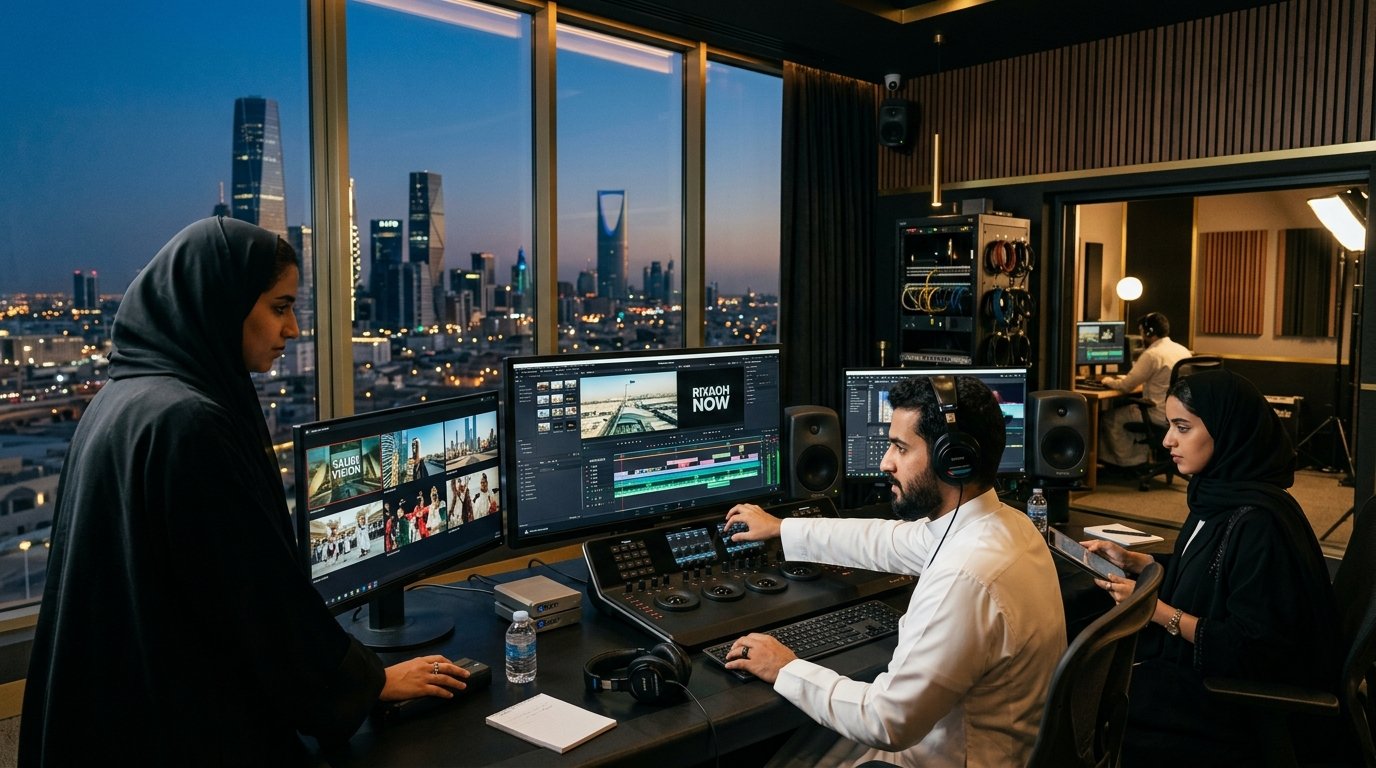
Successful Arabic video editing begins before the editor opens a timeline. The first task is understanding who will watch, why they should care, and which visual and verbal cues will make the message feel natural.
Saudi viewers are highly active on mobile-first platforms, but not every global editing style suits every business. Luxury, technology, fashion, real estate, food, and B2B brands may each need a different pace, voice, visual hierarchy, and level of formality.
The strongest edits feel native because the hook, Arabic copy, subtitles, music, graphics, product shots, and call to action all support the intended viewer.
Brands that need reliable local execution can benefit from professional video editing services in Saudi Arabia when campaigns require multiple versions for social media, advertising, websites, product pages, events, and sales presentations.
Arabic content creation works best when the message is built for Arabic-speaking audiences from the beginning. A literal translation may preserve meaning while losing emotion, persuasion, humor, or cultural context.
An Arabic-first editor checks natural phrasing, right-to-left reading, tone, and CTA fit. Instead of forcing Arabic into an English-designed layout, the editor builds the visual structure around Arabic.
People respond faster to familiar content. When language, imagery, and pacing align with the audience, viewers spend less effort interpreting the message and more time evaluating the product or offer.
That clarity matters commercially. A viewer who quickly understands the value is more likely to keep watching, click, message, visit, or explore.
Saudi Arabia video editing involves more than clean cuts. Editors need technical ability, but they also need cultural awareness. A polished video can still fail if it uses awkward Arabic, unsuitable imagery, or shoddy cuts, falling into the trap of unprofessional videos that lose customers in the Gulf.
Culturally relevant video content Saudi Arabia audiences respond to balances local identity and prestige, following principles outlined in how video editing turns a normal business into a premium brand in the GCC. The right balance changes by industry and audience.
A food brand may emphasize warmth and social moments, while technology, fashion, or beauty campaigns may lean on innovation, detail, movement, or lifestyle context.
Saudi social media content competes in feeds where viewers decide almost instantly whether to continue or scroll. The opening therefore needs a clear reason to stay.
Strong hooks can come from a product result, surprising comparison, relatable problem, local question, customer reaction, or direct promise. The key is relevance. A flashy transition without meaning rarely performs as well as a hook connected to a genuine customer need.
For brands producing content consistently, social media marketing in Saudi Arabia becomes more effective when editing, publishing, captions, community management, and campaign strategy work together.
Vertical video needs intentional composition. Faces, products, subtitles, and graphics must remain inside safe viewing areas. Editors should also assume many people will watch without sound, which makes readable Arabic captions and visual storytelling essential.
Purposeful changes such as close-ups, cutaways, text reveals, and product demonstrations can reset attention without making the video chaotic.
GCC video editing should recognize shared Gulf culture without treating Saudi Arabia, the UAE, Kuwait, Qatar, Bahrain, and Oman as one identical audience. Dialect preferences, commercial styles, buying habits, and brand expectations can differ.
A GCC-wide campaign may use Modern Standard Arabic, while a Saudi-focused campaign may benefit from Saudi-friendly expressions or voice delivery. Some brands also need bilingual Arabic-English versions.
The editor must decide what stays consistent and what should be localized, including captions, voice-over, pricing, offers, contact details, and closing screens.
GCC content creation becomes easier to scale when footage is planned in reusable sections. A company can shoot one strong master production and create market-specific edits with different copy, voice-over, offers, products, or CTAs.
This reduces production costs while still giving each market a tailored experience, especially for eCommerce, hospitality, technology, retail, and regional service brands.
If campaigns also require matching thumbnails, banners, social cards, or promotional assets, graphic design services in Saudi Arabia can help maintain one recognizable visual identity across customer touchpoints.
The goal is one recognizable brand with market-sensitive details. Consistent colors, typography, motion style, and product treatment protect recognition, while localized copy, voice, pricing, and CTA language protect relevance.
Video editing for Saudi market campaigns increasingly works alongside search visibility. Customers discover brands through search engines, social platforms, maps, video results, websites, and recommendation systems. A strong video therefore needs a clear topic and language signals that both people and platforms can understand.
Editors can support discovery with accurate Arabic subtitles, clear spoken terminology, descriptive on-screen text, and logical structure. These choices improve accessibility while strengthening topical context.
When video themes align with landing pages, service pages, product categories, and useful articles, the brand creates a connected search journey. That effect becomes stronger when a campaign is supported by SEO services in Saudi Arabia targeting relevant commercial and informational searches.
Arabic subtitles for videos matter when viewers watch in offices, public spaces, noisy environments, or with sound muted. Good subtitles do more than transcribe speech; they make the content easier to process.
Editors should avoid overcrowding the screen. Subtitle lines need readable length, correct timing, strong contrast, and natural Arabic punctuation. Line breaks should feel intentional rather than copied from an English subtitle template.
If subtitles appear too early, lag behind the speaker, or vanish too quickly, even beautiful footage can feel unpolished. Timing should follow the speaker’s rhythm while giving viewers enough time to read.
Mobile screens make spacing critical. Captions should not compete with app controls, product labels, or the CTA.
If viewers must work to read the video, the edit is creating friction instead of removing it.
Arabic social media video editing works best when synchronized with social media marketing trends in Saudi Arabia for 2026, ensuring the editor knows exactly what the brand wants the viewer to do. Awareness content can build curiosity, while conversion-focused content needs a clearer path toward a purchase, booking, lead, app install, store visit, or product page.
A persuasive structure can move from attention to interest, then proof and action: introduce the problem, show the solution, demonstrate the result, and close with a clear next step.
Commercial video does not need aggressive selling. It needs obvious value, credible proof, useful demonstrations, and visual detail that increases buying confidence.
Saudi video marketing becomes more efficient when the creative is designed around distribution. Organic posts and paid campaigns often need different hooks, lengths, CTA treatments, and testing structures.
For performance campaigns, digital advertising in Saudi Arabia can work harder when each edit is built around a defined audience, offer, and stage of intent. One general video is rarely ideal for every objective.
Editors can produce multiple hooks, short and long cuts, testimonial versions, product-focused edits, Arabic-only videos, bilingual variants, and retargeting versions. This gives marketers more options to test without rebuilding the campaign from scratch.
Many videos hide their strongest evidence near the end. If the result, customer outcome, product feature, or visual transformation is compelling, show it earlier. Viewers should not have to wait to discover why the offer matters.
Video localization for Saudi Arabia adapts the entire viewing experience for local customers. Translation is only one layer. Localization also considers vocabulary, tone, imagery, voice, typography, layouts, references, currencies, dates, offers, and calls to action.
A global campaign can lose impact when Arabic is added without redesigning the composition. Arabic often requires different spacing and alignment, especially in titles, lower thirds, labels, and CTA screens.
Brands publishing localized video on their websites should also consider Arabic and RTL web design so the journey from video to landing page feels seamless rather than visually disconnected.
Arabic video localization should preserve the purpose of the original campaign, not its exact sentence structure. Advertising language often depends on rhythm, urgency, emotion, status, humor, or wordplay. Literal translation can flatten those qualities.
A stronger process starts with the intended meaning and desired customer response, then develops Arabic phrasing capable of producing the same effect naturally.
Some videos only need subtitles; others benefit from Arabic voice-over or full dubbing. Product explainers, advertisements, training videos, corporate films, and educational content may each require a different solution.
The right choice depends on channel, budget, viewer expectations, and how central spoken language is to the message.
An Arabic-first content strategy treats Arabic-speaking customers as a primary market rather than a secondary adaptation. That affects the script, casting, framing, locations, graphic system, soundtrack, offer structure, product presentation, and editing style.
When Arabic requirements are known before production, teams can leave space for titles, capture footage suited to regional versions, record suitable voice tracks, and avoid costly fixes later.
One production can then supply product videos, ads, testimonials, website banners, social clips, and seasonal campaigns.
A Saudi audience content strategy should separate viewers according to intent. Someone discovering a brand needs different information from a customer who is already comparing options.
Awareness content may focus on the problem, lifestyle, aspiration, or category. Consideration content can explain features, materials, processes, benefits, pricing logic, service quality, or proof. Conversion content should reduce friction and make the next step obvious.
A cold audience may respond better to “Explore the collection” or “See how it works” than to an immediate hard sell. A warmer audience may be ready for “Order now,” “Book your consultation,” “Get a quote,” or “Shop the offer.”
The best CTA feels like the natural next step.
A GCC audience content strategy should consider where viewers will encounter the video. A website brand film, six-second advertisement, TikTok creator-style clip, and LinkedIn B2B video should not be edited the same way.
Each platform rewards different behavior. Some need faster hooks, some allow deeper explanation, and others demand greater visual polish or professional credibility.
Each version should be built for the platform rather than simply resized from one master file.
Middle East video editing often combines Arabic and English, especially for brands serving regional and international customers. That makes hierarchy crucial.
Viewers should instantly know which text is the headline, which information is supporting the message, and which element represents the action. If Arabic and English compete equally for attention, the screen becomes crowded.
Coupling human creative direction with AI video editing tools for GCC brands in 2026 solves that problem with precision, without sacrificing useful information.
A customer may see a Reel, display ad, landing page, and product video before buying. Consistent fonts, motion graphics, logo use, and visual tone help connect those experiences and build trust.
Arabic content localization is especially valuable for eCommerce because buying decisions depend on clear information. Customers want to understand what a product looks like, how it feels, what it includes, how it works, and why it deserves the price.
For fashion, close-ups can reveal stitching, texture, drape, fit, and finishing. For furniture, video can show scale, materials, surfaces, and mechanisms. For technology, screen recordings and demonstrations can explain functionality faster than long text.
The edit should deliberately guide the eye toward details that answer buying questions.
A feature matters when the customer understands its outcome. Showing a durable material is useful; showing how it supports daily use is more persuasive. Showing a fast interface is good; demonstrating the time it saves is better.
This keeps the content commercial without feeling forced.
Texture, sound design, close-ups, controlled lighting, slow motion, and movement can make a product feel more tangible. A crisp packaging sound, fabric fold, polished surface, or smooth product interaction can build desire while keeping the product believable.
Video Editing for Middle Eastern Audiences Must Balance Culture and Brand Personality
Video editing for Middle Eastern audiences should respect cultural expectations without reducing the region to clichés. Saudi and GCC audiences consume global media daily. They recognize premium production, creator-led storytelling, humor, cinematic visuals, educational content, and direct-response advertising.
The goal is not to make every video look traditionally “Middle Eastern.” The goal is to make the brand feel relevant, respectful, fluent, and commercially convincing in the market.
Culturally relevant video content Saudi Arabia viewers can trust depends heavily on getting the details right. Correct Arabic, suitable imagery, natural voice-over, credible claims, polished subtitles, and consistent branding all signal that the company understands its audience.
Incorrect letter shaping, poor RTL alignment, awkward translation, or mismatched visuals can do the opposite.
Arabic text should be checked by someone who understands both language and advertising context. Final review should cover wording, spelling, tone, readability, timing, and CTA clarity.
GCC video marketing becomes more scalable when businesses stop treating every video as a one-off project. A repeatable system can turn one production day into a library of short clips, advertisements, product demonstrations, testimonials, explainers, and platform-specific edits.
This gives marketing teams more material to test. Performance data can then reveal which hooks hold attention, which benefits attract clicks, which lengths convert, and which Arabic phrases generate engagement.
Instead of producing one “perfect” edit, create controlled variations. Change the opening hook, CTA, first product shot, subtitle style, proof point, or offer position, then compare performance.
The best editing strategy combines creative judgment with audience behavior.
When a hook or structure works, keep the core idea and refresh footage, examples, offers, or product focus. That creates consistency without creative fatigue.
Arabic-first video is not a cosmetic localization step. It is a practical way to make every second work harder for the people expected to watch, trust, and buy. When brands combine natural Arabic, culturally aware storytelling, strong product detail, clear subtitles, platform-specific pacing, and conversion-focused editing, they create content that feels more relevant and more valuable.
For companies that want stronger reach in Saudi Arabia and across the GCC, the opportunity is to build video around the market from day one rather than adapt it at the end. Explore a more localized creative approach, sharpen the way your products and services are presented, and turn attention into measurable action with Codhaus.
Arabic-first video editing is the process of planning and editing video with Arabic-speaking viewers as the primary audience. It considers language, right-to-left layout, subtitles, local culture, platform behavior, visual hierarchy, and buying intent from the beginning instead of translating an English-first video at the end.
It helps brands communicate more naturally with Saudi viewers. Localized language, culturally appropriate visuals, clear subtitles, relevant pacing, and Saudi-focused messaging can improve understanding, credibility, engagement, and conversion potential.
The best choice depends on the campaign. Modern Standard Arabic works well for broad regional communication, formal content, and GCC-wide campaigns. Saudi-friendly dialect can feel more conversational in social media, creator content, lifestyle videos, and selected advertisements.
They are highly important because many viewers consume short-form content with low or muted sound. Well-timed subtitles make the message understandable immediately and can reinforce product benefits, offers, and CTAs.
Yes, but it often performs better when key elements are adapted. Brands can keep core footage and visual identity while localizing language, voice-over, pricing, offers, product availability, contact details, and CTAs for different GCC markets.
Natural Arabic wording, suitable imagery, appropriate music, local consumer insight, respectful presentation, useful product detail, and a tone that fits the industry all help create a stronger local connection.
It can reduce uncertainty by showing product details, explaining features in Arabic, demonstrating benefits, highlighting materials, answering objections, and guiding viewers toward a purchase.
Vertical short-form video is useful for Reels, TikTok, Shorts, and Stories. Longer explainers, testimonials, and product demonstrations can support websites, YouTube, landing pages, and remarketing. The best format depends on the objective.
Not always. Subtitles are efficient and work well for many social and commercial videos. Voice-over can add emotion and clarity when spoken language is central. Some campaigns perform best with both.
Start with the audience, commercial goal, platform, and message. Then build the script, visuals, Arabic copy, subtitles, CTA, and editing style around those decisions. Clear planning reduces revisions and makes content easier to scale.
June 10, 2026
Read More
June 12, 2026
Read More
June 6, 2026
Read More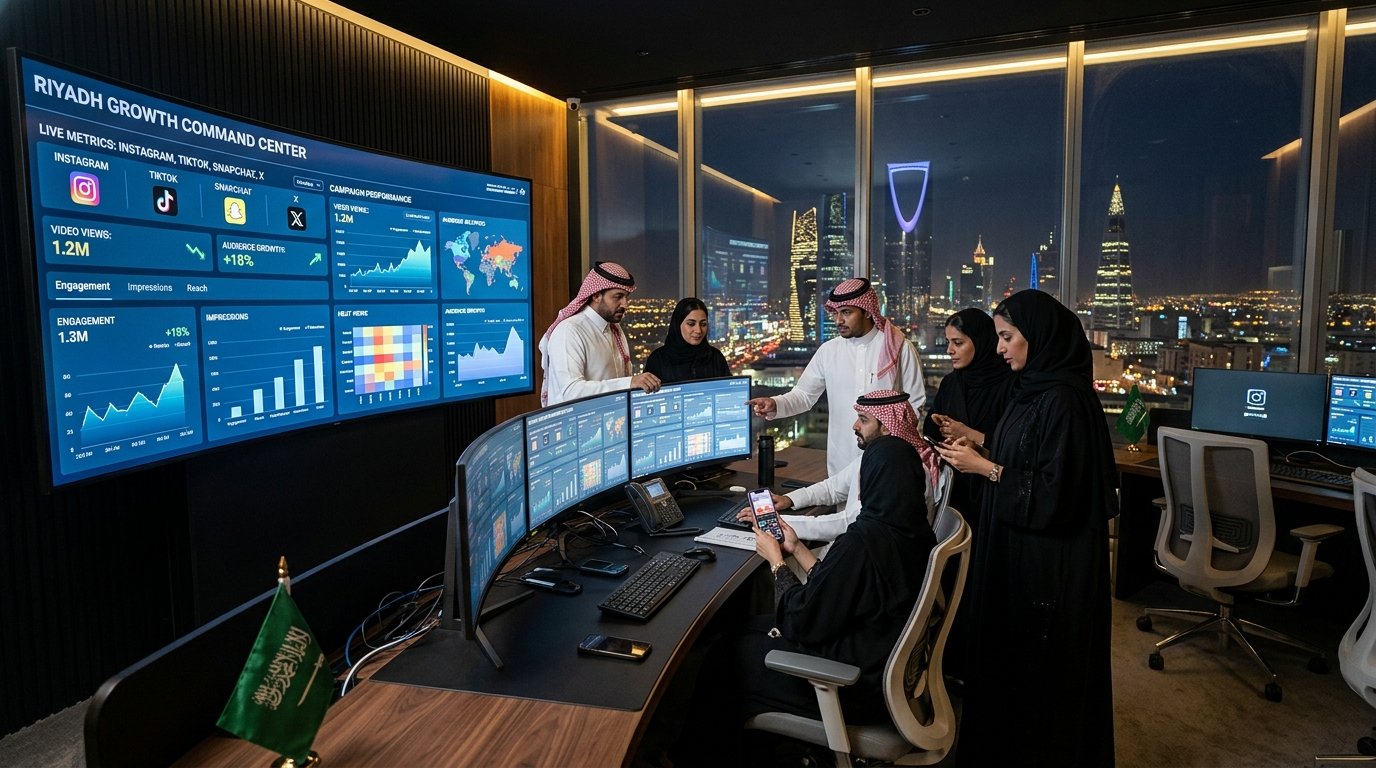
June 15, 2026
Read More
February 15, 2026
Read More