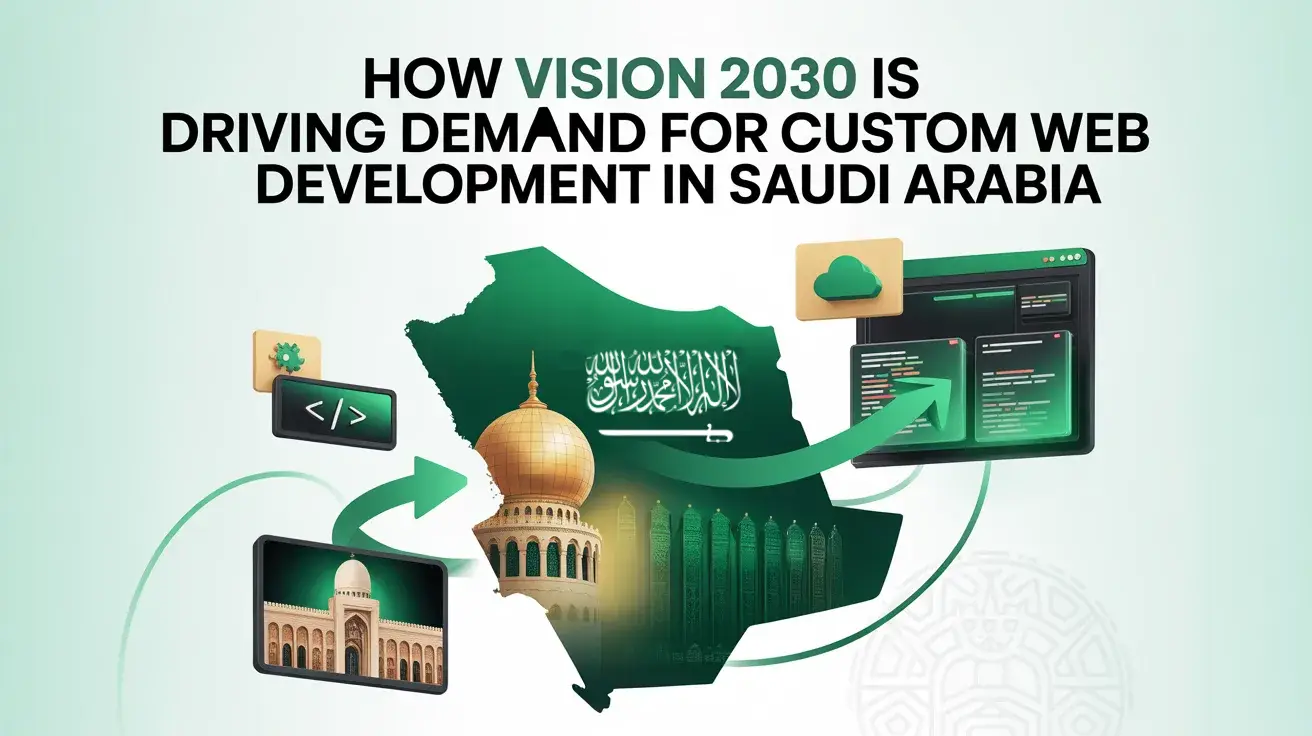
How Vision 2030 is Driving Demand for Custom Web Development in Saudi Arabia

The Kingdom of Saudi Arabia is currently undergoing a metamorphosis that is as rapid as it is profound. Walk through the bustling districts of Riyadh or the historic streets of Jeddah, and you will sense an energy that goes far beyond the traditional oil-based economy. It is the pulse of a nation reinventing itself through code, connectivity, and cloud computing.

At the heart of this transformation is Vision 2030, a strategic framework that has done more than just outline economic diversification; it has fundamentally altered the digital DNA of the country. For business owners and decision-makers, this shift has moved digital presence from a "nice-to-have" marketing asset to a critical operational necessity.

Vision 2030 Digital Transformation

As the government races toward ambitious targets, such as achieving top global rankings in digital government maturity and creating a cashless society, the private sector is feeling the pressure to keep pace. The bar has been raised.

When citizens can renew passports, register businesses, and access health records through seamless, world-class government apps, they begin to expect the same level of digital sophistication from the retailers, service providers, and B2B companies they interact with.

This rising expectation is the primary engine fueling the explosion in demand for high-quality, custom digital solutions. It is no longer enough to have a static page on the internet; businesses now require robust, scalable, and secure platforms that integrate with the nation's growing digital infrastructure.
The Digital Transformation Landscape of the Kingdom

Digital Landscape KSA

To understand why your business needs a robust digital foundation, you must first look at the macroeconomic environment. The Information and Communications Technology (ICT) sector in Saudi Arabia is now the largest in the MENA region, valued at over $40 billion in 2023.

This is not accidental growth but the result of deliberate policy. Initiatives like the National Strategy for Data & AI and the Cloud First Policy of 2020 have set the stage for a massive overhaul of legacy systems. The government has digitized 98% of its services as of late 2022, creating a digital ecosystem where data flows seamlessly between entities.

Why Cookie-Cutter Templates Fail in the Saudi Market

Why Templates Fail

There is a misconception that buying a pre-made theme is a shortcut to digital success. While this might serve a hobbyist, it is often a strategic error for a serious business operating in Saudi Arabia. The local market has specific nuances that off-the-shelf templates rarely accommodate effectively.

The most obvious of these is the requirement for seamless Arabic language support, specifically Right-to-Left (RTL) layout orientation. A template designed for Western markets often breaks or looks disjointed when mirrored for Arabic content, leading to a poor user experience that damages brand credibility.

Furthermore, custom web solutions for Saudi businesses allow for specific user experience tailoring that respects local consumer behavior. Saudi consumers are highly tech-savvy, with mobile internet speeds that rival the fastest in the world and 5G coverage exceeding 94% in Riyadh. They have zero patience for slow-loading pages or clunky interfaces.

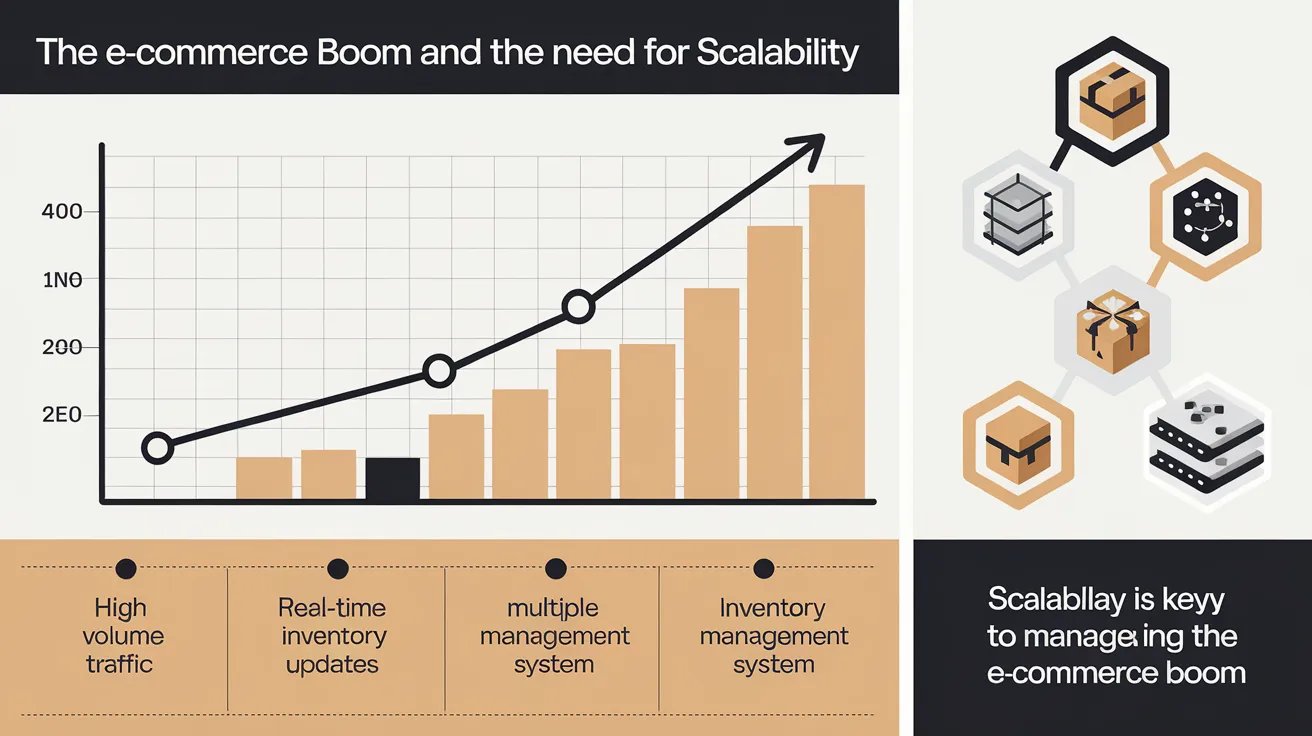
The E-Commerce Boom and the Need for Scalability

E-Commerce Saudi Arabia

Perhaps the most visible impact of Vision 2030 is the exponential growth of online commerce. With a projected e-commerce market volume aiming toward $23 billion by 2027, the retail landscape is shifting permanently.

For retailers, this means that their digital storefront is now as important, if not more so, than their physical showroom. As the market matures, the complexity of e-commerce operations increases. Businesses now need deeper integration with inventory management systems, logistics partners, and customer relationship management (CRM) tools.

Navigating the Cloud First Policy and Cybersecurity

Cybersecurity KSA

One of the less discussed but critically important aspects of the Vision 2030 agenda is the emphasis on cybersecurity and data sovereignty. The cloud first policy mandates that government entities, and by extension, the private contractors that work with them, prioritize cloud solutions while adhering to strict data classification standards. Security is paramount.

A professional web development company in Riyadh like Codhaus understands the local cybersecurity landscape. They can build sites that adhere to the regulations set forth by the National Cybersecurity Authority (NCA). This involves implementing advanced encryption, secure server architecture, and regular vulnerability audits.

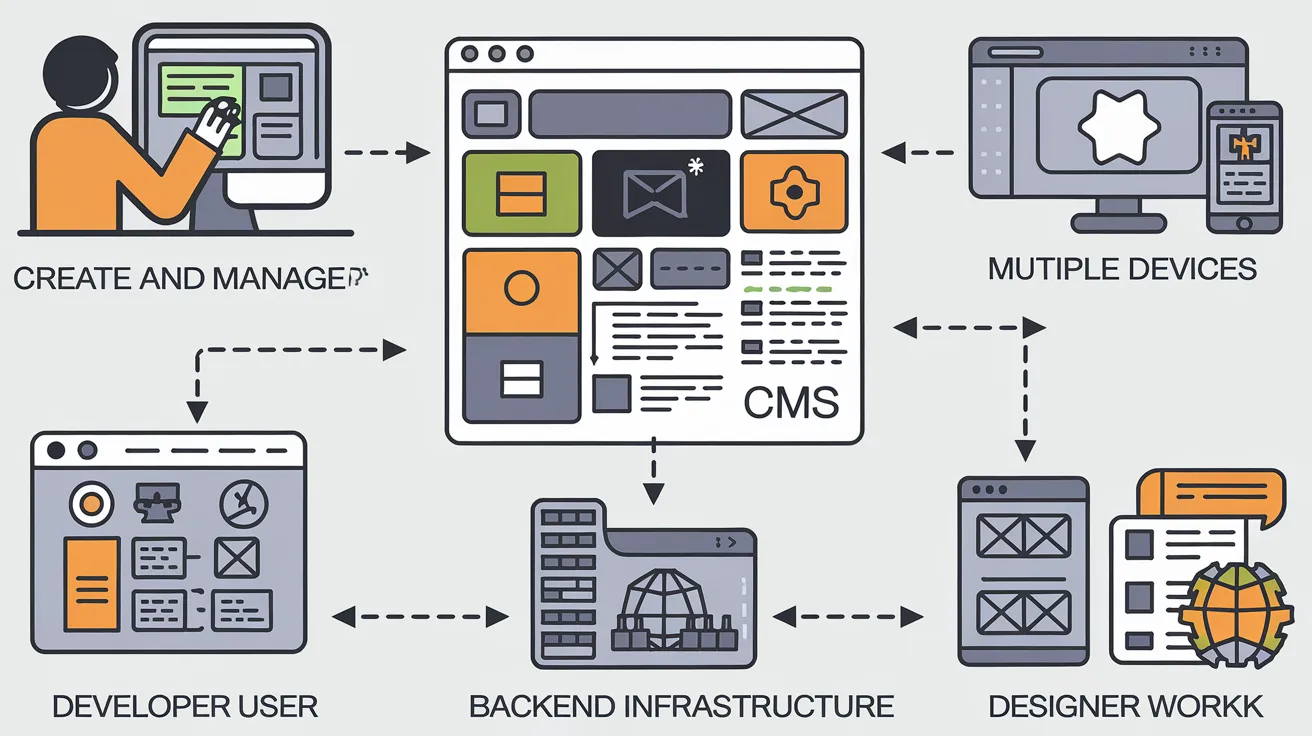
The Role of Content Management Systems

CMS Systems

While custom coding is essential for complex applications, content management remains vital for marketing teams who need agility. This is why many businesses look for a hybrid approach—custom front-end designs powered by robust back-end systems.

A specialized WordPress development agency Saudi Arabia can deliver the best of both worlds. They can strip away the bloat of pre-made themes and build a lightweight, custom theme that provides the ease of editing that marketing teams love, without sacrificing the speed and security that IT directors demand.

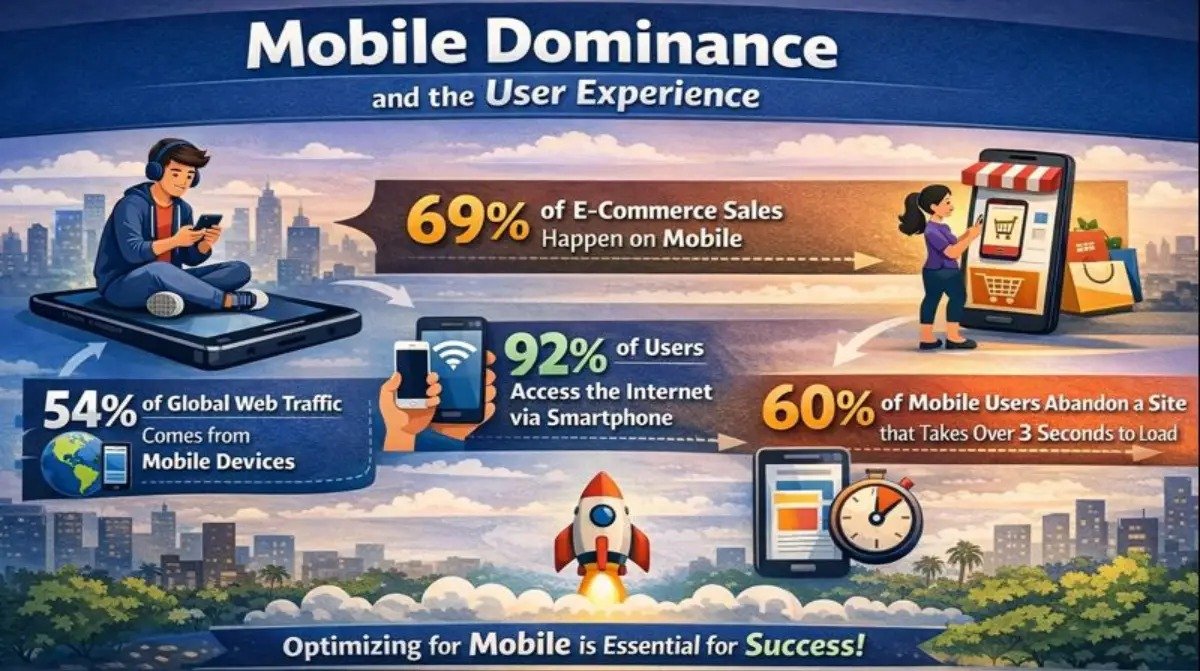
Mobile Dominance and the User Experience

Mobile Experience

We cannot discuss web development in Saudi Arabia without addressing the elephant in the room: mobile dominance. Saudi Arabia has one of the highest smartphone penetration rates globally. For many users, their smartphone is their primary and only computer.

This reality dictates that web development must be mobile-first, not just mobile-responsive. Mobile-first design involves structuring the entire user journey around the touch interface, ensuring that buttons are thumb-friendly, navigation is intuitive on small screens, and load times are near-instantaneous even on data networks.

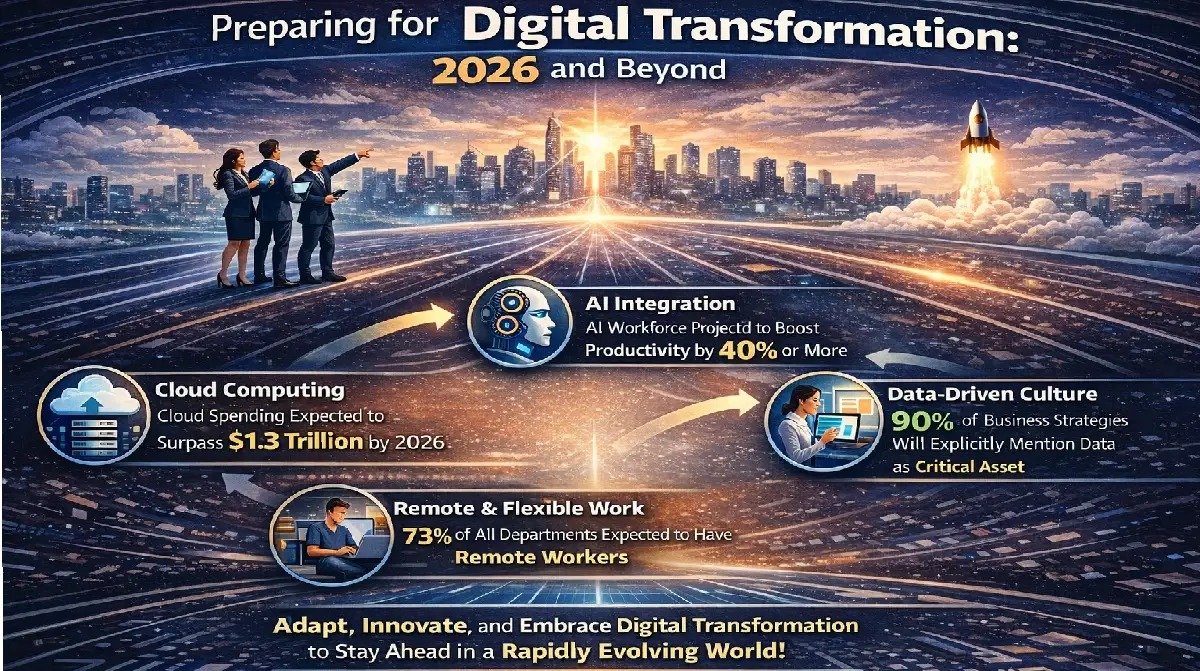
Preparing for Digital Transformation 2026 and Beyond

Digital Transformation 2026

Looking ahead, the roadmap is clear. The Saudi Arabia digital transformation 2026 targets aim for even higher integration of AI and smart technologies into daily life. We are moving toward an era of hyper-personalization, where websites will need to serve dynamic content based on user behavior and preferences.

To prepare for this future, companies need to view their web development as an ongoing capital investment rather than a one-time expense. It involves building a scalable architecture that can accommodate future technologies like AI-driven chatbots, voice search optimization for Arabic dialects, and immersive augmented reality experiences.

Finding the Right Technical Partner

Technical Partner

With the demand for digital services skyrocketing, the market has seen an influx of service providers. However, finding a reliable website development company in Riyadh or Jeddah requires due diligence.

Codhaus distinguishes itself by being deeply embedded in the Saudi market. We understand the intersection of global technology standards and local market needs. Whether it's crafting a high-performance corporate portal or a complex e-commerce engine, we bring craftsmanship and strategic alignment.

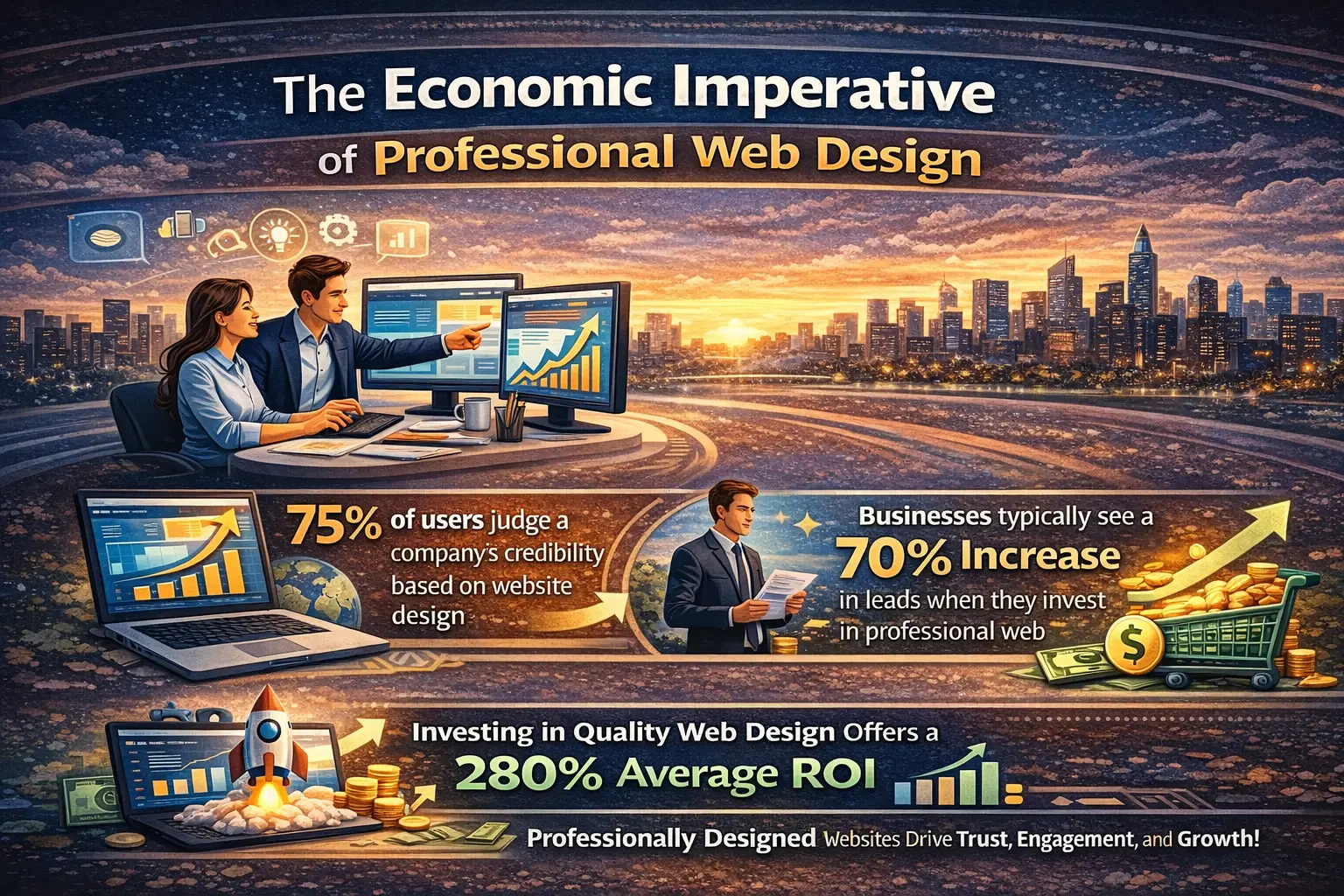
The Economic Imperative of Professional Web Design

Economic Impact

Ultimately, the drive toward custom web development is an economic imperative. Vision 2030 is diversifying the economy and opening the doors to international competition. Saudi businesses are no longer just competing with the shop down the street; they are competing with global brands.

A professionally designed website builds trust. It tells the consumer that you value quality and professionalism. In B2B sectors, your website is often the primary tool for due diligence. If your site is slow, broken, or outdated, it reflects poorly on your competence.

Conclusion: Embracing the Future

The transformation sweeping across Saudi Arabia is creating unprecedented opportunities. Vision 2030 has laid the groundwork for a digital renaissance, and the private sector is the engine that will drive it forward. By investing in high-quality, custom web development, you are future-proofing your business.

Frequently Asked Questions

How does Vision 2030 specifically impact small businesses needing websites?

+

Vision 2030 encourages the digitization of the SME sector to boost contribution to the GDP. For small businesses, this means that having a professional web presence is essential to access government grants, participate in digital marketplaces, and reach a wider customer base. The push for a cashless society also means even small vendors need websites capable of processing digital payments securely.

Why should I choose a custom website over a cheaper template?

+

While templates have a lower upfront cost, they often lack the flexibility, security, and speed required for the competitive Saudi market. A custom website allows for specific localization, better SEO performance, and the ability to scale as your business grows. In the long run, custom development often offers a better return on investment by reducing technical debt and improving conversion rates.

Is it necessary to have a bilingual website in Saudi Arabia?

+

Absolutely. While English is widely spoken in the business community, the vast majority of the consumer population prefers Arabic. A dual-language website ensures you are accessible to the entire market. Furthermore, showing respect for the local language builds trust and emotional connection with your Saudi audience, which is crucial for brand loyalty.

What are the cybersecurity requirements for Saudi websites?

+

Websites operating in Saudi Arabia, especially those handling personal data or payments, must comply with regulations set by the National Cybersecurity Authority (NCA) and the Personal Data Protection Law (PDPL). This typically involves hosting data within the Kingdom (data residency), using strong encryption, and ensuring regular security patches. Professional agencies are well-versed in these compliance requirements.

How long does it take to develop a custom website in Riyadh?

+

The timeline varies significantly based on complexity. A standard corporate information site might take 6 to 8 weeks, while a complex e-commerce platform or custom web application could take 3 to 6 months. It is important to prioritize quality and rigorous testing over speed to ensure the final product is stable and secure.

Latest Posts

Post Image
Marketing

How to Target Foreign Investors with Digital Marketing

Read More →
Post Image
Development

How To Learn Javascript Easily With This Method

Read More →
Post Image
Design

Top Graphic Design Trends in Saudi Arabia

Read More →

Our Associate Partners

Meta Partner Shopify Partner HubSpot Partner Google Partner Microsoft Partner Meta Partner Shopify Partner HubSpot Partner Google Partner Microsoft Partner
WhatsApp